Top AI-Powered Gadgets Revolutionizing Smart Homes in 2026
Introduction
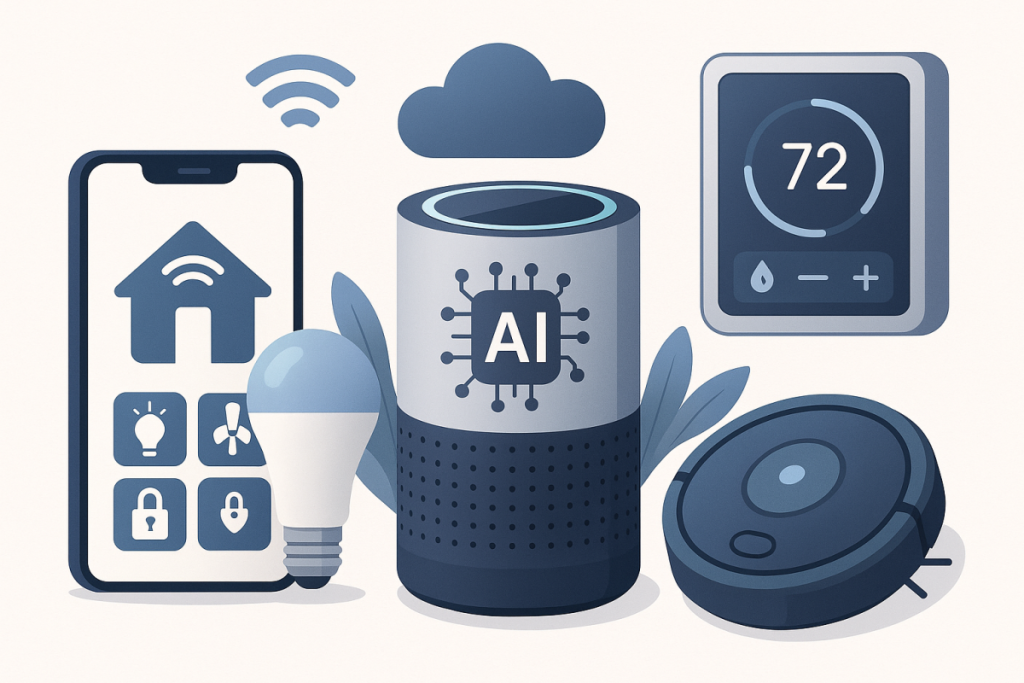
As we step further into 2026, the integration of artificial intelligence (AI) into smart home technology continues to accelerate, fundamentally reshaping how we interact with our living spaces. No longer confined to sci-fi or niche markets, AI-powered gadgets have become essential components of modern homes, offering unparalleled convenience, enhanced security, and improved energy efficiency. These innovative devices do more than just respond to commands—they anticipate needs, learn preferences, and proactively optimize our home environments. This article delves into the top AI-driven devices revolutionizing smart homes in 2026, offering detailed insights, practical examples, and actionable steps designed to help you create a smarter, safer, and more efficient living space.
Why AI is Transforming Smart Homes
Artificial intelligence empowers smart home devices with capabilities far beyond traditional automation. Instead of simply following preset commands, AI-enabled gadgets continuously learn from user behavior, adapt to evolving preferences, and make autonomous decisions to enhance user comfort and security. This dynamic adaptability transforms passive devices into proactive assistants that intuitively understand and anticipate human needs. The integration of AI also enables predictive maintenance, reducing downtime and extending device lifespans, while fortifying security mechanisms to detect and respond to threats in real-time.
Key Benefits of AI in Smart Homes
- Personalization: AI algorithms analyze patterns such as daily routines, preferred temperatures, lighting levels, and media choices, tailoring device responses to individual preferences. For instance, smart lighting can adjust color temperature and brightness based on the time of day and user mood.
- Automation: AI-powered systems automate complex sequences of actions, such as preparing a home for arrival by adjusting lighting, temperature, and music simultaneously. This seamless orchestration eliminates manual intervention, saving time and effort.
- Energy Efficiency: Intelligent energy management systems learn appliance usage and occupancy patterns to optimize consumption. For example, heating and cooling systems can preemptively adjust operations to minimize waste while maintaining comfort, significantly reducing utility bills and environmental impact.
- Enhanced Security: AI-driven security devices employ facial recognition, behavior analysis, and anomaly detection to differentiate between family members, guests, and potential intruders, effectively minimizing false alarms and enabling rapid responses.
Top AI-Powered Gadgets in 2026
1. Intelligent Voice Assistants with Context Awareness
Voice assistants have evolved beyond simple command execution to become context-aware companions capable of understanding nuance, intent, and situational context. The latest models from Amazon Alexa, Google Assistant, and Apple Siri leverage advanced natural language processing (NLP) and machine learning to interpret ambiguous queries and provide proactive suggestions. For example, if your calendar indicates a meeting, the assistant might automatically lower the thermostat and dim lights to create an optimal environment for focus.
Example: The new Alexa model integrates deeply with your daily schedule and smart home ecosystem, anticipating questions and adjusting reminders or environmental controls without explicit commands. It can suggest rescheduling a meeting if it detects traffic congestion or notify you if a package is delivered.
Actionable Step: To harness these capabilities, integrate a context-aware voice assistant with your digital calendar, smart lighting, and climate control systems. Customize routines that trigger based on time, location, or calendar events to automate tasks such as adjusting lights, locking doors, or starting music playlists, creating a seamless daily rhythm.
2. AI-Powered Smart Security Systems
Security systems have undergone a transformative upgrade with AI integration, moving from reactive to proactive defense. Modern AI security cameras and sensors use on-device processing to analyze video feeds and sensor data instantly, identifying suspicious behavior or unfamiliar faces while filtering out pets or known residents to reduce false alerts.
Example: The Nest Cam IQ employs sophisticated facial recognition and anomaly detection algorithms to distinguish between family members, visitors, and strangers. It can alert homeowners only when genuine threats are detected—such as a window break or suspicious loitering—while also enabling remote monitoring and two-way communication.
Actionable Step: Upgrade your home security system to an AI-enabled model that supports facial recognition and behavioral analysis. Configure the system to send real-time alerts for unusual activity patterns and integrate with smart locks and lighting to automate deterrent responses, such as flashing lights or locking doors upon detection of a threat.
3. Smart Energy Management Devices
AI-driven energy management solutions are becoming indispensable tools for reducing household energy consumption and lowering utility costs. These systems analyze appliance usage, occupancy, weather forecasts, and utility pricing to dynamically optimize energy use, often interfacing directly with smart grids for peak-time management.
Example: The Sense Energy Monitor, combined with smart thermostats like Ecobee, employs AI to identify individual appliances’ energy signatures, allowing precise control over heating, cooling, and device operation. This granular data facilitates tailored schedules that minimize energy waste without compromising comfort.
Actionable Step: Install an AI-powered energy monitor and connect it with smart plugs, lighting, and thermostats. Use the accompanying apps to analyze your energy consumption patterns and set automated rules—such as reducing heating when no one is home or delaying high-energy tasks to off-peak hours—to maximize savings.
4. AI-Enhanced Robotic Cleaners
Robotic vacuum and mop cleaners have evolved from simple floor sweepers to intelligent home maintenance aides. Equipped with AI-based mapping, object recognition, and adaptive scheduling, these devices learn the layout of your home, optimize cleaning routes, and avoid obstacles including pets and furniture.
Example: The iRobot Roomba s9+ utilizes advanced AI to create detailed floor maps and identify high-traffic areas requiring more frequent cleaning. It can differentiate between carpeted and hardwood floors, adjusting suction power accordingly, and automatically empties its dustbin to reduce maintenance.
Actionable Step: Deploy an AI robotic cleaner and use its companion app to delineate cleaning zones and set cleaning schedules tailored to your lifestyle. For example, schedule intensive cleaning after parties or pet shedding periods, and save quieter times for minimal noise disruption.
5. Smart Kitchen Appliances with AI Assistance
The kitchen has become a focal point for AI innovation, with appliances now offering intelligent meal planning, cooking assistance, and inventory management. AI integration helps reduce food waste, streamline grocery shopping, and enhance culinary creativity.
Example: The Samsung Family Hub refrigerator tracks food inventory using internal cameras and weight sensors, suggesting recipes based on available ingredients. It can also automatically order groceries through partnered delivery services, ensuring your kitchen is always stocked.
Actionable Step: Integrate AI-powered kitchen appliances such as smart refrigerators, ovens, and coffee makers into your smart home ecosystem. Connect these devices to your smartphone for remote monitoring and control, and explore recipe recommendation features to simplify meal preparation while reducing waste.
6. AI-Driven Health and Wellness Devices
Health and wellness are increasingly prioritized in smart homes, with AI devices monitoring vital metrics and environmental factors to promote well-being. These gadgets provide actionable insights to improve sleep quality, air quality, and physical activity.
Example: The Withings Sleep Analyzer tracks sleep stages, heart rate, and breathing patterns, using AI to generate personalized recommendations. It can detect early signs of sleep apnea or irregular heartbeat and suggest changes to your sleep environment such as adjusting room temperature or humidity.
Actionable Step: Incorporate AI wellness devices into your home and link them with environmental controls such as smart humidifiers, air purifiers, and lighting systems. Use the data collected to optimize your living space for better health outcomes, for example by improving air quality or establishing calming nighttime lighting routines.
Integrating AI-Powered Gadgets: Best Practices
To fully leverage the transformative potential of AI gadgets and ensure a harmonious, secure smart home environment, consider adopting the following best practices.
1. Centralize Control with a Smart Hub
Managing multiple AI devices can become complex without unified control. Utilizing a smart hub or platform—such as Samsung SmartThings, Apple HomeKit, or Google Home—enables seamless interoperability, centralized automation, and simplified user interfaces. This integration facilitates synchronized routines and reduces fragmentation.
2. Prioritize Security and Privacy
AI devices often handle sensitive personal data and network access. Protect your smart home by using strong, unique passwords, enabling two-factor authentication, and regularly updating device firmware to patch vulnerabilities. Opt for devices with built-in encryption and privacy controls, and segment your IoT devices on a dedicated network to minimize risk.
3. Customize AI Settings
AI systems can overwhelm users with notifications or unwanted automation. Tailor AI behavior by adjusting sensitivity, defining alert preferences, and selectively enabling features that align with your lifestyle. This customization reduces alert fatigue and ensures the technology serves you, rather than the other way around.
4. Stay Updated
AI technologies evolve rapidly, with manufacturers frequently releasing updates introducing new features and fixing security issues. Maintain optimal performance and safety by applying firmware and software updates promptly, and stay informed about emerging AI trends and device compatibilities to future-proof your smart home.
Conclusion
In 2026, AI-powered gadgets are fundamentally transforming smart homes by delivering unprecedented levels of convenience, security, and efficiency. From intelligent voice assistants that anticipate your needs to advanced security systems that safeguard your family, AI is creating living spaces that are truly responsive and personalized. Incorporating smart energy management, robotic cleaners, AI-enhanced kitchen appliances, and health monitoring devices further enriches the home experience, making daily life simpler and healthier. By thoughtfully selecting, integrating, and securing these AI innovations, homeowners can harness their full potential—elevating their living environments to new heights of intelligence and comfort for years to come.